Golpherd Serif Font for Handmade Products and Craft Projects
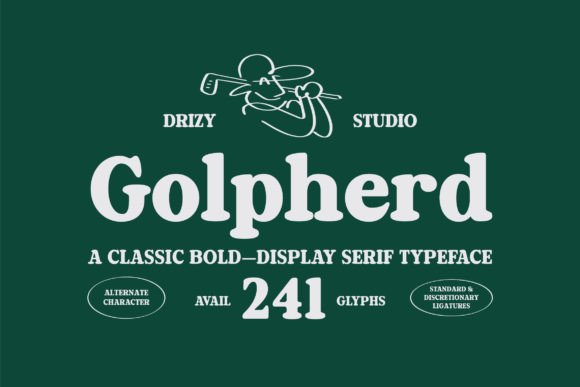
If you create physical products—candle labels, wedding invitations, farmhouse signs, or boutique tags—you know the right typeface makes all the difference. Golpherd is a timeless Serif typeface that brings the elegance and sophistication of classic golf culture into your craft work. With a bold yet refined presence, this font works beautifully on both modern and traditional designs, giving your items a premium feel without overwhelming the product. As a maker who sells printable templates, stickers, and handmade goods, I’ve found that Golpherd elevates everyday products into something customers want to keep and display.
Golpherd for Handmade Labels and Product Packaging
When you sell products like candles, soaps, or jams, the label is often the first thing a buyer notices. Golpherd is a Serif font that adds a touch of upscale charm to your packaging. Its bold letterforms stand out on small labels without looking crowded, making product names and short phrases easy to read from a distance. I’ve used it on kraft paper tags for homemade preserves and on glass candle jars—the classic golf-inspired sophistication translates into a look that suggests quality and tradition. Because Golpherd combines boldness with elegance, it works equally well on rustic burlap labels and sleek white packaging. For small shop owners, this consistency means you can use one font across your entire product line, building brand recognition with every sale.
Using Golpherd in Wedding Invitations and Stationery
Wedding stationery demands a typeface that feels both formal and inviting. Golpherd fits this niche perfectly. As a Serif font, it carries the weight and structure needed for invitation wording, yet its smooth curves keep the text approachable. I’ve designed invitation suites with Golpherd for the couple’s names and key details, pairing it with a delicate script for a romantic contrast. The boldness of Golpherd ensures that names and dates are immediately legible, even when printed at smaller sizes on RSVP cards or envelopes. For printable sellers like me, this font reduces the need for multiple tweaks—what you see on screen translates well to printed cardstock, whether you’re using a home printer or sending files to a professional shop.
Golpherd as a Display Font for Signs and Wall Art
Signs and wall art rely on a typeface that commands attention without shouting. Golpherd works wonderfully as a display font because its bold serifs create a strong visual anchor. I’ve used it for farmhouse-style welcome signs, where the word “Welcome” becomes the centerpiece of the design. The font’s timeless personality also suits motivational quotes on canvas—phrases like “Good Vibes Only” or “Live Simply” look intentional and substantial. When creating SVG designs for cutting machines like Cricut or Silhouette, Golpherd’s letterforms cut cleanly without extra nodes or overlap, saving you time and material. Just remember to test the font at the size you plan to cut—Golpherd holds up well at 2 inches and above, making it a reliable choice for wood signs and acrylic plaques.
Readability on Small Products and Cutting Machines
For crafters working with small stickers or tags, readability is non-negotiable. Golpherd maintains clarity even when scaled down to 0.5 inches. Its bold strokes don’t thin out, so you won’t lose the elegance part of the description. When I use Golpherd for product labels on lip balm tubes or mini gift tags, the text remains crisp and professional. For cutting machines, I recommend outlining the font before sending it to the software—this avoids any spacing issues and helps you achieve smooth weeding. The serif details are distinct enough to catch the eye but not so intricate that they cause problems with intricate cuts. Always run a test cut with a scrap piece of material to ensure the font’s boldness works with your specific blade and adhesive.
Pairing Golpherd with Script and Sans Serif Fonts
A single font can carry a project, but pairing Golpherd with other typefaces adds depth and contrast. Because Golpherd is a Serif font with a classic feel, it pairs beautifully with a flowing script font for the main event wording, then a clean sans serif font for secondary information like addresses or ingredients. For instance, on a wedding invitation, I set the couple’s names in Golpherd, used a delicate cursive for “and,” and placed the date in a lightweight sans serif. The combination feels curated and intentional. For packaging, try pairing Golpherd with a handwritten handwritten font for product attributes and a simple sans serif for legal copy—this hierarchy helps customers navigate the label easily. The key is to keep the pairing balanced; Golpherd’s boldness should anchor the design while the other fonts support without competing.
Commercial Licensing Tips for Selling Golpherd Designs
Before you start selling products that feature Golpherd, check the commercial font licensing included with your purchase. Most premium fonts come with a standard license that allows you to use the font for physical products like stickers, shirts, mugs, and packaging. However, if you plan to sell digital templates, printables, or SVG designs where the font is embedded, you may need an extended license. As a seller of printable wall art and party decorations, I always verify that my font license covers the number of end products I intend to sell. Golpherd’s timeless appeal makes it a strong candidate for long-term use in your shop, so investing in the right license upfront saves headaches later. Keep a record of your font licenses—Etsy and other platforms occasionally ask for proof, especially if a designer reports copyrighted work.
File Formats and Multilingual Support
When downloading Golpherd, check what file formats are included: typically you’ll get OTF (OpenType) and TTF (TrueType). I prefer OTF for cutting machines because it offers better glyph support, including alternates and ligatures if the font includes them. While the description focuses on golf culture sophistication, many serif fonts also support Western European languages, which is useful if you sell to international customers. If Golpherd includes extended characters, it expands your product possibilities—think bilingual wedding signs or packaging with French and English text. Always test the font in your design software to confirm that any swashes or stylistic sets appear correctly. This attention to detail ensures your products look polished and professional.
Golpherd for Seasonal and Holiday Craft Projects
Holiday products benefit from a font that feels both festive and grounded. Golpherd works beautifully for Christmas tags, Thanksgiving place cards, and wedding anniversary banners. Its classic golf-inspired elegance translates into a look that feels celebratory without being trendy. I’ve used Golpherd for “Merry Christmas” signs and “Happy Holidays” stickers—the bold serifs give the words a substantial presence that stands out on wreaths, gift boxes, and table runners. For Easter or spring projects, try pairing Golpherd with pastel backgrounds and floral motifs; the font’s structure keeps the design from feeling too soft. Seasonal products often sell in bulk, so having a dependable serif font like Golpherd in your library streamlines your design process year after year.
Golpherd in Boutique and Farmhouse Style Products
Boutique tags for clothing, home decor, and accessories need a typeface that suggests value. Golpherd adds that subtle luxury without being flashy. I’ve designed hang tags for handmade scarves and tote bags using Golpherd for the brand name, paired with a smaller sans serif for care instructions. The result feels cohesive and upscale. For farmhouse-style products—like wooden signs, chalkboard prints, or linen tea towels—Golpherd’s classic lines fit right in. Its boldness echoes the solid, reliable aesthetic of farmhouse decor, while the golf culture elegance keeps it from feeling too rustic. If you sell digital files for home decor, Golpherd gives your customers a typography solution that works in both framed prints and multi-panel canvases.
Final Practical Advice for Using Golpherd in Your Shop
To get the most out of Golpherd, always preview your designs at actual size before printing or cutting. This font performs best for short phrases, names, and titles—think one to three words where each letter can shine. For longer paragraphs, consider pairing Golpherd with a lighter sans serif font for body text. If you’re creating templates for other sellers, include a note about recommended sizes: Golpherd is ideal at 18pt and above for print, and at least 1 inch for cutting applications. Finally, embrace the timelessness of this serif typeface—it’s not a trend font, so your designs will look fresh for years. Whether you’re making wedding invitations, product labels, or home decor, Golpherd gives your work a professional edge that customers notice and trust.