Chinese Food Doodle: A Delicate Dingbat Font for Editorial Design
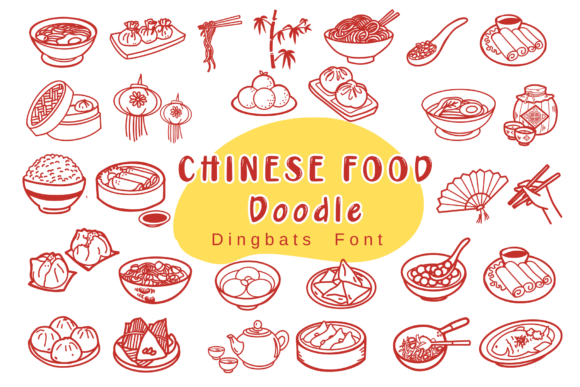
Every publication designer, blogger, and content creator understands that visual consistency starts with thoughtful type choices. When you add a decorative element like a dingbat font to your toolkit, you open new possibilities for layout personality without sacrificing readability. Chinese Food Doodle brings a handcrafted line art sensibility to editorial projects, offering food-themed clipart illustrations that function as a complete typeface. Whether you are building a recipe ebook, designing a lifestyle magazine spread, or creating branded graphics for a food newsletter, this Chinese Food Dingbat font delivers subtle visual charm that complements text without overwhelming it. As a versatile addition to any fonts library, Chinese Food Doodle supports the kind of polished, cohesive design that keeps readers engaged from first glance to final page.
Chinese Food Doodle for Magazine Covers and Feature Headings
Magazine covers demand an immediate visual hook, and display typography often carries that responsibility. Chinese Food Doodle works beautifully as an accent font for cover lines, section titles, and feature headings because its delicate line art illustrations feel both handcrafted and intentional. Instead of relying on generic stock icons or heavy graphic elements, you can integrate these food-themed dingbats directly into your headline text. For a food magazine or a culinary feature within a general interest publication, using Chinese Food Doodle for the main heading creates a cohesive theme that signals the content before the reader turns a single page. The light, sketch-like quality of this Chinese Food Dingbat font pairs especially well with clean sans serif or thin serif body typefaces, allowing the cover to feel layered without becoming cluttered. When you treat this font as a display tool for key headings rather than body copy, you preserve readability while adding a distinctive editorial fingerprint to every issue.
Chinese Food Doodle in Blog Layouts and Article Headers
Bloggers and independent publishers often struggle to create visual interest without hiring a designer or purchasing expensive stock graphics. Chinese Food Doodle solves that problem by embedding food-themed illustrations directly into your typography. For a lifestyle blog, a health and wellness publication, or a travel site that covers food culture, this Chinese Food Dingbat font allows you to build consistent, recognizable headers for each article category. You might use the noodle bowl icon for recipe posts, the tea cup for wellness features, or the dumpling motif for cultural pieces. Because the font renders each illustration as a single character, you can insert these graphic elements into your title text, pull quotes, or section dividers with a simple keystroke. This approach keeps your blog layout clean and code-light while giving readers visual cues that guide them through your content. The line art style of Chinese Food Doodle also reproduces well on screens of all sizes, which matters for mobile readers who make up a growing share of blog traffic.
Chinese Food Doodle for Ebook Titles and Chapter Openers
Ebook creators face the dual challenge of making digital pages feel inviting while keeping file sizes manageable and layouts predictable across devices. Chinese Food Doodle works well in this context because it delivers visual impact without the weight and complexity of embedded images. For a recipe ebook, a food memoir, or a guide to entertaining, using this Chinese Food Dingbat font for chapter titles gives each section a distinct visual anchor. You can pair the font with a readable serif for the body text and let the dingbat characters serve as decorative initials or chapter number markers. The delicate line art style of Chinese Food Doodle also translates well into grayscale or monochrome ebook formats, so you do not lose detail when readers adjust their device settings. For creators publishing on platforms like Kindle, Apple Books, or Kobo, this font offers a practical way to maintain branded visual identity without relying on fixed image placements that can break on different screen sizes. By treating Chinese Food Doodle as a core part of your ebook design system, you create a reading experience that feels both polished and personal.
Chinese Food Doodle in Newsletter Graphics and Pull Quotes
Newsletter designers need to capture attention in crowded inboxes where readers decide in seconds whether to engage. Chinese Food Doodle helps you do that by adding food-themed visual accents that stand out without feeling promotional. For a weekly food newsletter, a creator digest, or a publication that includes recipe roundups, this Chinese Food Dingbat font works well for pull quotes, sidebars, and tip boxes. You might set a featured quote in a larger size using the font’s illustration characters as bullet markers or decorative borders around key takeaways. Because the line art is delicate rather than heavy, it does not compete with the body text or the overall newsletter layout. This makes Chinese Food Doodle particularly effective for brands that want a handmade, approachable look without sacrificing professionalism. When you include this font in your regular newsletter template, subscribers begin to associate those visual cues with your content, building recognition and trust over time. For paid newsletters or subscriber-only editions, the consistent use of Chinese Food Doodle reinforces the premium feel of your publication.
Chinese Food Doodle for Printable Guides and Lead Magnets
Printable resources like guides, worksheets, planners, and checklists remain popular lead magnets for food bloggers, nutrition coaches, and lifestyle publishers. Chinese Food Doodle gives these materials a cohesive visual identity that feels custom-designed without requiring extensive layout work. For a meal planning workbook, a seasonal produce guide, or a cooking technique reference, this Chinese Food Dingbat font can be used for section headings, icon labels, and decorative page numbers. The line art illustrations print clearly on standard home printers, and the font’s delicate weight means it does not dominate the page or waste ink. When you create a lead magnet that includes Chinese Food Doodle elements, you give your audience a useful resource that also reflects your brand’s attention to detail. This is especially important for creators who sell printables or offer them as part of a paid membership, because the visual consistency across multiple resources signals quality and professionalism. Readers who enjoy your printable are more likely to trust your paid products, making Chinese Food Doodle a smart investment for content businesses built around food, wellness, or lifestyle topics.
Pairing Chinese Food Doodle with Readable Body Fonts
No matter how decorative your display typography becomes, editorial design depends on readable body text. Chinese Food Doodle pairs naturally with a clean serif font like Lora, Georgia, or Merriweather for long-form reading, because the warm, hand-drawn quality of the dingbats complements the traditional feel of serif typefaces. For a more modern contrast, you might combine Chinese Food Doodle with a neutral sans serif like Open Sans, Work Sans, or Inter, letting the decorative characters bring personality to an otherwise minimal layout. The key to successful font pairing with this Chinese Food Dingbat font is restraint: use the dingbats for headings, pull quotes, decorative dividers, or accent characters rather than for paragraphs or dense text blocks. This approach preserves the legibility that keeps readers engaged while giving your publication a distinctive visual voice. For magazine spreads, consider using Chinese Food Doodle for the title or section head and a serif for the body, with the dingbat characters appearing as enlarged initial caps or sidebar icons. This layered use of typography creates hierarchy without relying on color or photography, which matters for black-and-white print or accessibility-conscious digital layouts.
Commercial Licensing for Chinese Food Doodle in Publications
When you invest in a font for your editorial projects, understanding the licensing terms protects your work and your income. Chinese Food Doodle, like most premium dingbat fonts, typically includes standard commercial licensing that covers use in ebooks, printed publications, newsletters, and digital products. If you create templates, printables, or branded assets for clients, check whether the license extends to client work or requires an extended license. For bloggers and independent publishers, the standard license usually allows you to use Chinese Food Doodle in your own content, including lead magnets, paid newsletters, and digital downloads. For magazine designers, ebook creators, and course producers who distribute content to a broad audience, confirming the license terms ensures you remain compliant while building your brand. Choosing a font with clear commercial permissions, like Chinese Food Doodle, saves you the headache of replacing typography after publication. When you add this Chinese Food Dingbat font to your library, you gain a design asset that supports your editorial work from concept to final export, whether you publish for yourself or for paying clients.